How to Choose the Right Wine for Your Wedding
…without needlessly overcomplicating it
Choosing wine for your wedding doesn’t have to feel overwhelming or overly-curated. In fact, the best wedding wine menus are often the simplest ones. Thoughtfully selected, easy to serve, and appealing to a wide range of guests. If you’re trying to strike that balance, here’s how to do it without overthinking, overspending, and overcomplicating it all.
Keep It Simple (Seriously)
One of the biggest mistakes couples make is offering too many options (this is for wine, beer, liquor, and cocktails – if you’ve noticed a theme in our posts, it Keep it Simple. Trust us). While variety might sound appealing, it often leads to longer lines at the bar, decision fatigue for guests, and more leftover wine at the end of the night.
Instead, we recommend sticking with:
- 1–2 red wines
- 1–2 white wines
- 1 rosé or bubbly
This gives your guests enough variety without overwhelming them, or your bar staff.

Stick With One Winery
Even if you’re offering multiple varietals, try to source each from a single winery. Don’t get 12 bottles of Chardonnay each from a different winery. Instead, get your red from XYZ winery, your white from ABC winery, and your bubbles from LUV winery. You don’t have to get ALL your wines from the same winery, but instead, each style from one winery. This approach has a few major benefits:
- Consistency in quality and style
- Bulk or case discounts
- Less waste from partially opened bottles
- Faster service at the bar
Plus, it creates a more cohesive experience overall, rather than a mix-and-match wine list that feels a bit scattered. Oftentimes, when a guests enjoys a wine, they’ll come back and request the same wine – but if you get different bottles, it will likely be gone by the time they return for the second glass.
Consider Your Guest Preferences
Your guest list plays a big role in what wines you should choose. While every crowd is different, there are some general trends worth considering:
- Older guests often gravitate toward fuller-bodied, classic wines like oaky Chardonnay, Merlot, or Cabernet Sauvignon.
- Younger guests tend to prefer lighter, more approachable wines like Pinot Grigio, Sauvignon Blanc, rosé, or fruit-forward reds like Pinot Noir.
That said, don’t rely entirely on assumptions—if you know your crowd, lean into what you know they’ll enjoy. The goal is to create a selection that feels familiar and enjoyable to most guests.
Balance Sweet and Dry Options
If you love sweet wine, absolutely include it, but don’t make it your only option. Not everyone shares that preference.
A great approach is to offer:
- One sweeter option (like a Riesling or Fruited Wine)
- One dry, crisp white (like Sauvignon Blanc or Pinot Grigio)
This way, guests can choose based on their personal taste without feeling limited.
Match Your Wine to the Weather
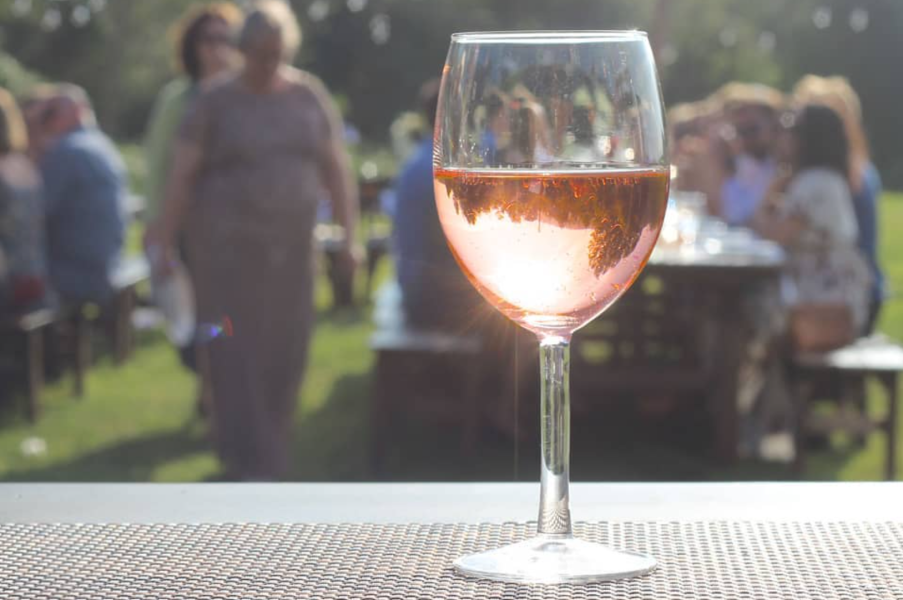
Season and setting matter more than most couples realize. Wine that feels perfect in one environment might feel out of place in another.
- Warm weather / outdoor weddings:
Lean into lighter, refreshing wines like Pinot Grigio, Sauvignon Blanc, rosé, and lighter reds like Pinot Noir, GSM blends, or Grenache. - Cool weather / indoor weddings:
You can balance things out with fuller-bodied reds like Cabernet Sauvignon, Syrah, Malbec, or Merlot, alongside a mix of whites.
Heavier and room-temp wines in hot weather tend to be less appealing, while crisp and chilled wines can feel out of place in colder setting, so adjust accordingly.
Not Sure Where to Start? Go Classic
If you’re feeling stuck, you can’t go wrong with crowd-pleasing, classic options:
- Red: Red blends (look what varieties are included – and use the notes above), Merlot, Pinot Noir, Cabernet Sauvignon, or a Malbec (don’t forget to consider weather)
- White: Pinot Grigio, Sauvignon Blanc, Chenin Blanc, or Chardonnay
- Rosé: A dry rosé that’s not overly sweet
These wines tend to hit the “middle ground” and appeal to a wide audience.
Use a Calculator to Avoid Guesswork
One of the biggest stress points is figuring out how much wine to buy. That’s where our Alcohol Calculator becomes incredibly helpful. If you’re not a client of ours, ask your hired Bartender for help on the amounts and varieties.
Our Alcohol Calculator not only estimates how much wine you’ll need overall—it also breaks it down by style (red, white, rosé) based on your season and setting. For example, it will recommend more white wine for a summer outdoor wedding and a more balanced mix for cooler or indoor events.
It even generates a shopping list you can take directly to your retailer.
Work With a Retailer to Maximize Your Budget
Once you have your list, bring it to a trusted retailer—whether that’s a larger store like Total Wine & More or BevMo!, or a local wine shop in your area.
Let them know:
- The types of wine you want (e.g., Pinot Grigio, red blend)
- Your budget per bottle (or range)
- That you’re buying in bulk, and to look for case discounts
Most retailers can help you find the best options within your budget and apply case discounts, saving you both time and money. Ask if they have any promotions or sales too, as they often have a few options – especially on varieties that don’t always move as quickly as the household names or hard-to-pronounce varieties, that are equally as delicious but at a fraction of the price.
Consider Local Wines (Especially in the PNW)
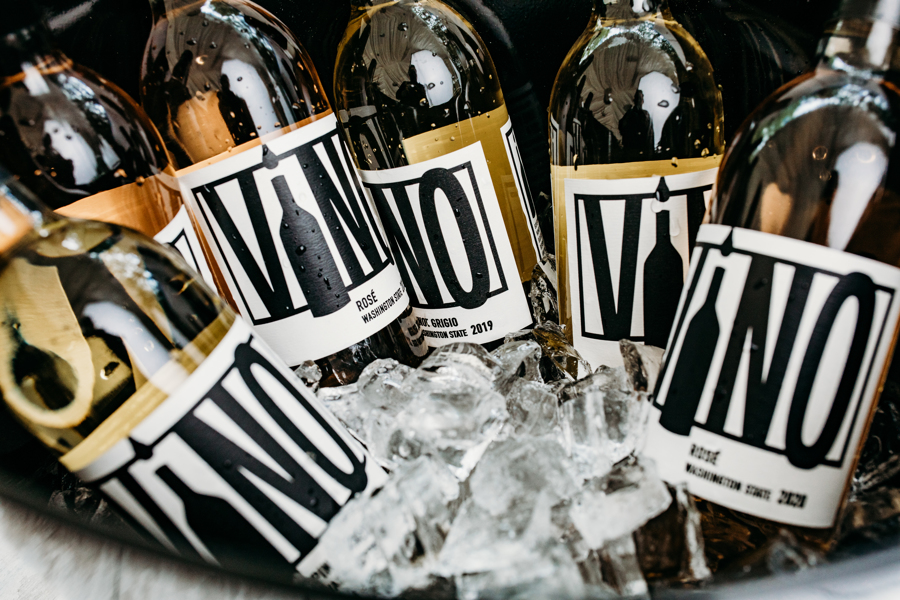
If you’re in the Pacific Northwest, you’re in one of the best wine regions in the country. Supporting local wineries not only helps small businesses, keeps your money in the local economy, and also reduces the environmental impact of long shipping and import fees (which also reduces your cost).
Plus, local wines can add a meaningful, regional touch to your wedding experience.
At the end of the day, your wedding wine doesn’t need to be complicated to be memorable. Keep it simple, choose thoughtfully, and focus on what your guests will genuinely enjoy, that’s what people will remember. Not that you had every single option.
Leave a Reply